Why Is It Called a Flea Market?
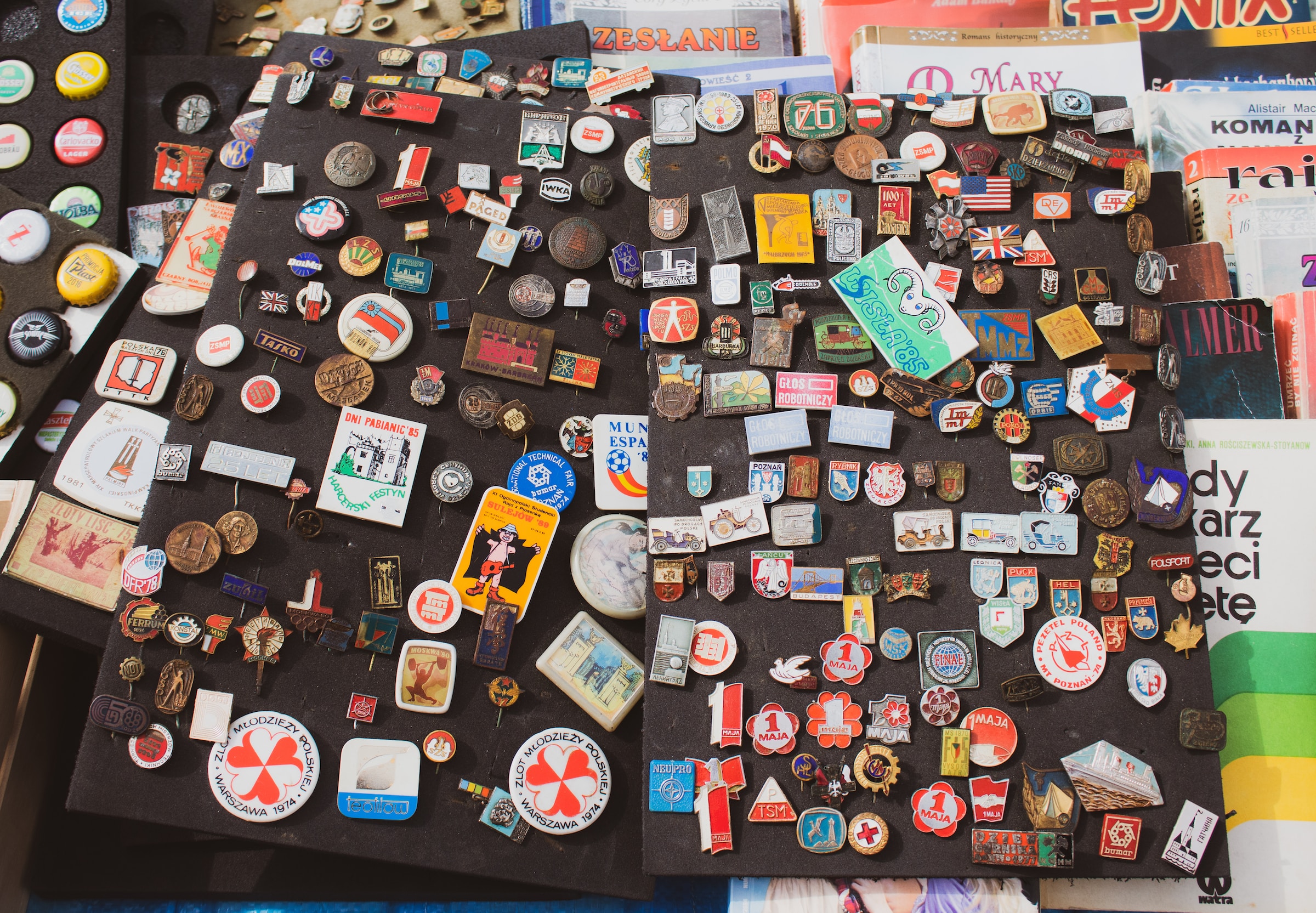
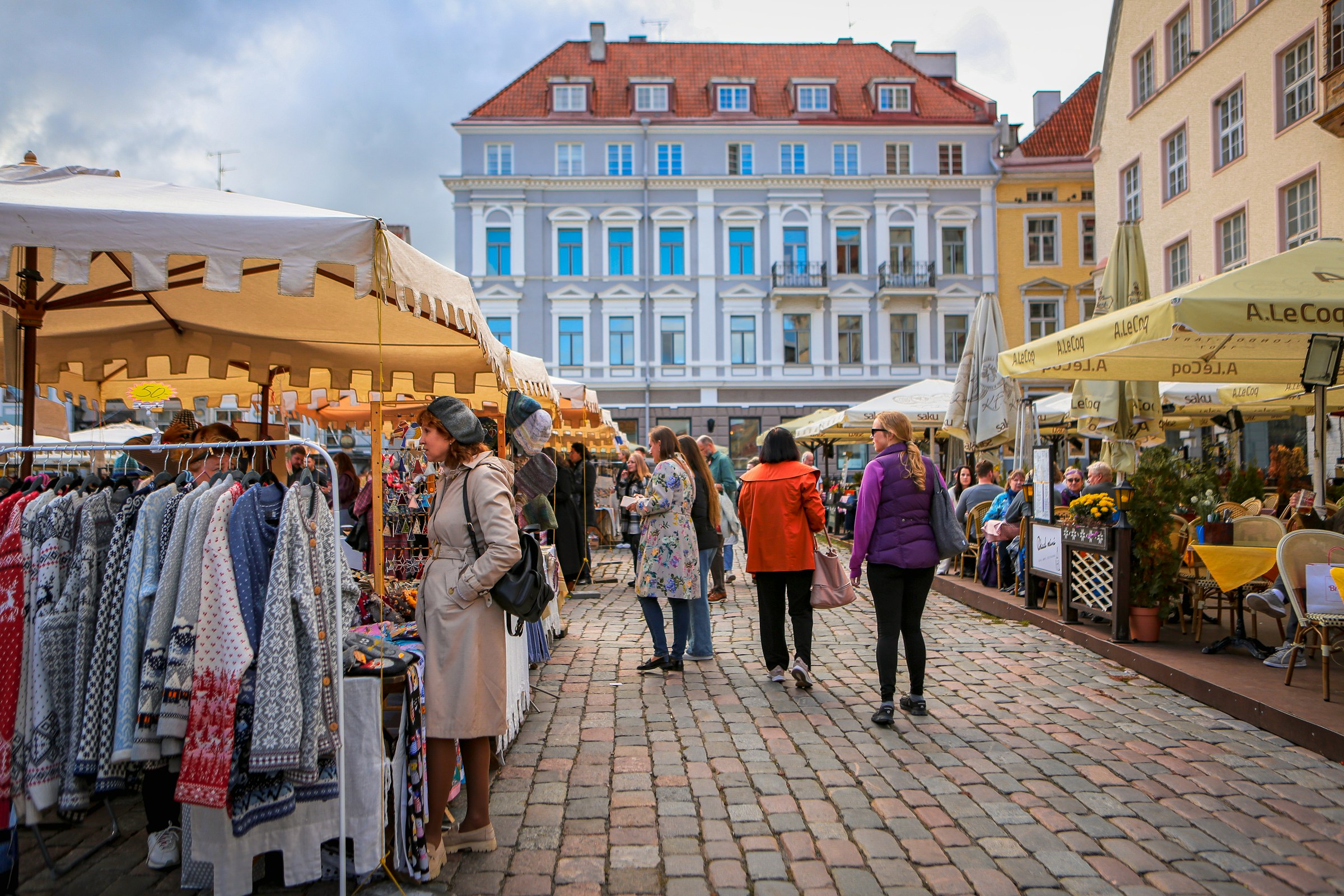
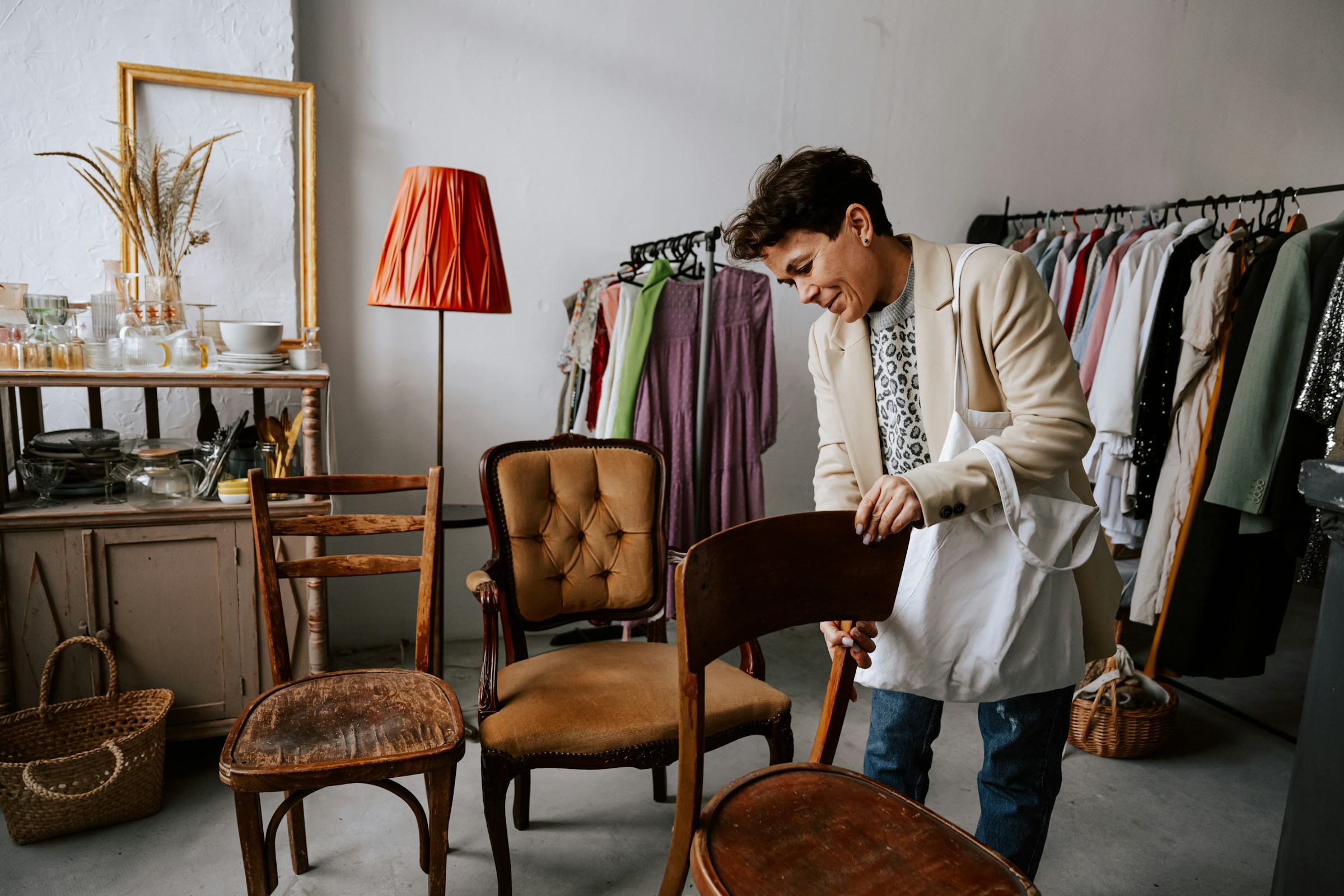
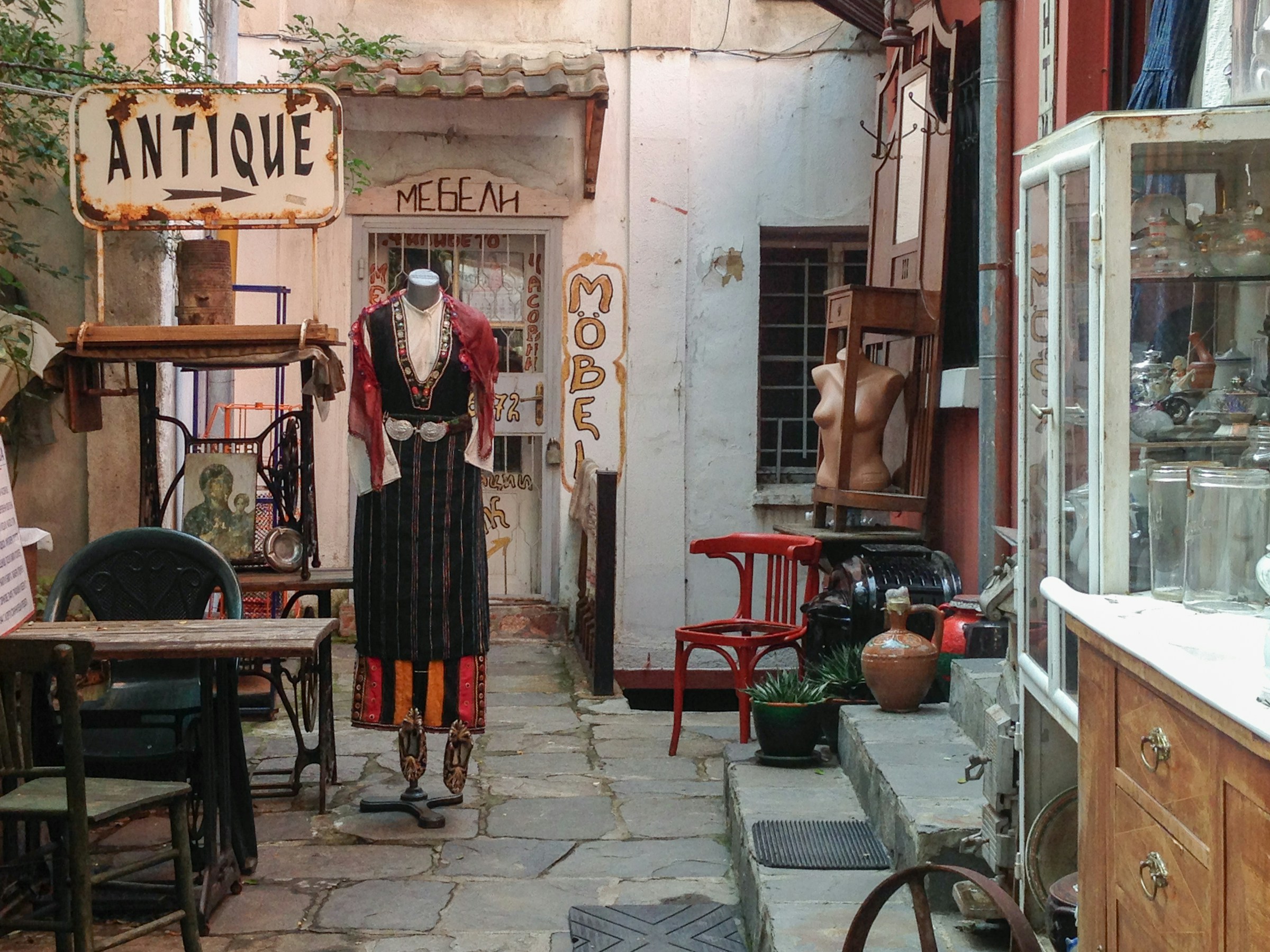
The term “flea market” originates from Paris in the 1880s, where outdoor markets selling secondhand goods became known as “marche aux puces,” translating to “market of the fleas.” This name eventually crossed the Atlantic and became the standard descriptor for markets ranging from large operations like Denio’s 70-acre venue in Roseville to small weekend swap meets in church parking lots.
Historical Origin
The first documented references to “marche aux puces” appear in French sources from the 1880s, describing outdoor markets that formed around Porte de Clignancourt in Paris’s 18th arrondissement. Vendors who were displaced from central Paris due to urban renovation established themselves along city walls, selling furniture, clothing, and household goods primarily to working-class residents.
The Saint-Ouen market, still operational today as Les Puces de Saint-Ouen, served as the prototype for this market model. Vendors displayed merchandise on the ground or improvised tables, creating chaotic, crowded conditions. The term appeared regularly in print by 1891, indicating widespread usage.
Three Competing Theories
Literal Flea Theory
The most historically supported explanation suggests that used goods genuinely harbored fleas. Upholstered furniture, wool clothing, and bedding from 19th-century homes without modern pest control methods carried insect infestations. Purchasers understood they would need to clean and potentially fumigate items before use.
Metaphorical Interpretation
Alternative scholars propose that “puces” functioned as period slang for small, insignificant items. The connection parallels the diminutive nature of both fleas and the inexpensive bargains available at these markets.
The Fly Market Theory
A third theory connects the term to New York’s colonial-era “Fly Market,” derived from the Dutch word “vly” (valley or marsh). While phonetically similar, most historians consider this an independent development rather than a direct linguistic ancestor.
Modern Usage
Today the term applies to any open-air market selling secondhand goods, antiques, collectibles, or discount merchandise. The connection to actual fleas has long since disappeared, though the name persists across languages and continents. Whether it is a sprawling 70-acre operation or a neighborhood parking lot sale, the spirit of the original Parisian markets endures.
You Might Also Like