The Downside to Buying in the Dark
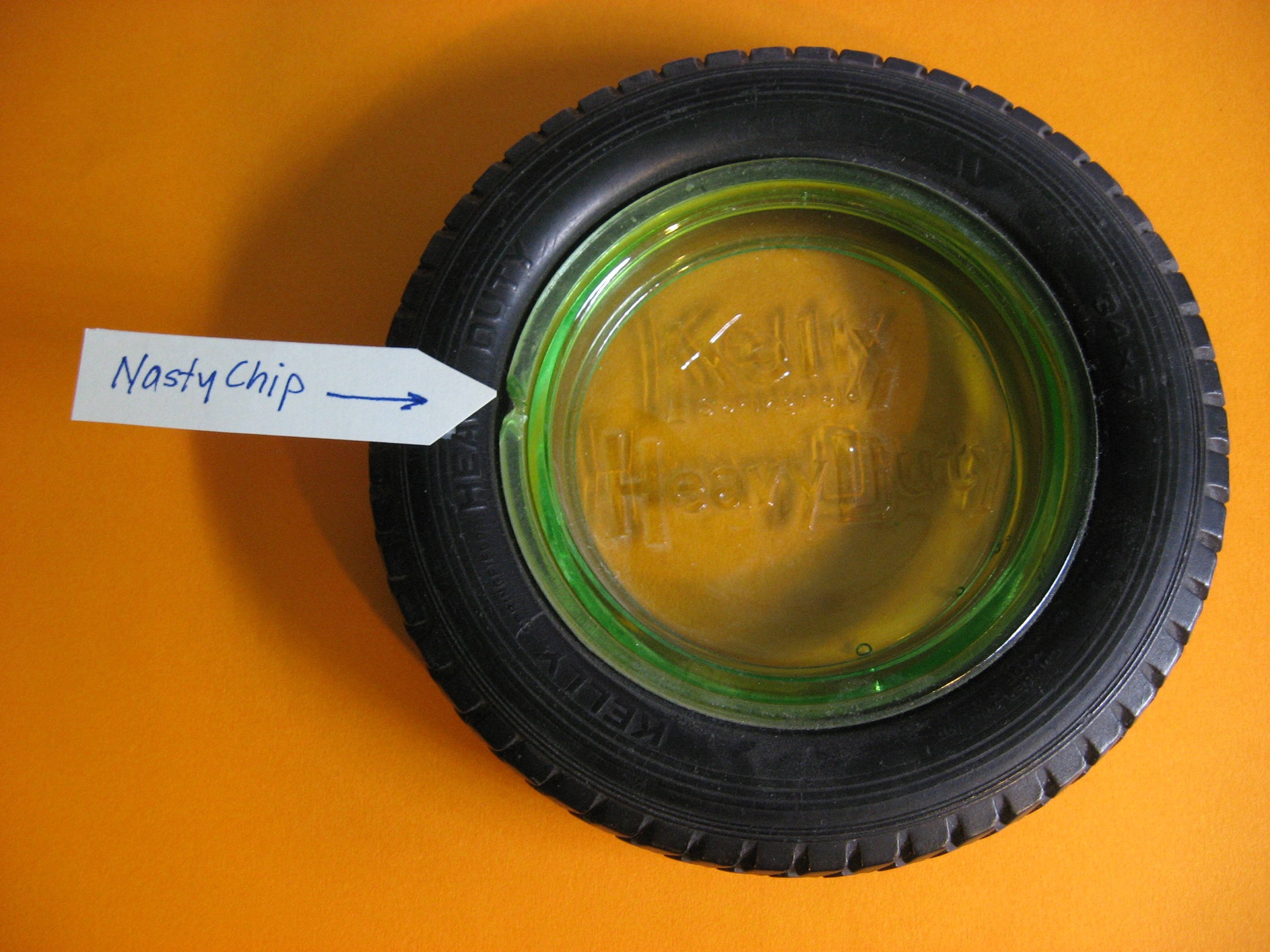
Shopping at flea markets early, before sunrise, presents a classic trade-off. Arriving when vendors are still setting up offers first access to rare finds and bargains that competitors might otherwise claim. However, this advantage comes with a significant drawback: examining merchandise in dim lighting increases the risk of purchasing damaged items.
The Problem with Early Shopping
When buyers arrive in darkness, they often discover defects only after returning home in daylight. This can trigger prolonged buyer’s remorse, particularly if the piece was expensive or rare. The price you pay for shopping in the dark includes the seller’s lack of obligation to highlight flaws.
Coping Strategies
Reframe damaged acquisitions as acceptable compromises. Finding a perfect specimen later, sometimes at a similar price, often resolves initial regret. Bringing a spouse or friend to inspect items carefully before purchase helps too, since companions tend to scrutinize potential purchases more thoroughly than the person excited about the find.
Speed vs. Diligence
Early shopping encourages rushed decision-making. Competing to reach vendor locations first leads buyers to neglect thorough damage inspection. Conversely, waiting for daylight risks losing the item to other shoppers. Finding the balance requires discipline.
Practical Tips
- Bring a powerful flashlight and use it on every item
- Assume items are damaged and search deliberately for flaws
- Examine merchandise from all angles, including the bottom and back
- Do not rely on sellers to disclose damage
- Run your hands over surfaces to feel for cracks, chips, and repairs that dim light conceals
- When in doubt, ask the vendor to hold the item until daylight for a second look
You Might Also Like