Pricing Antiques, Collectibles, Vintage Items
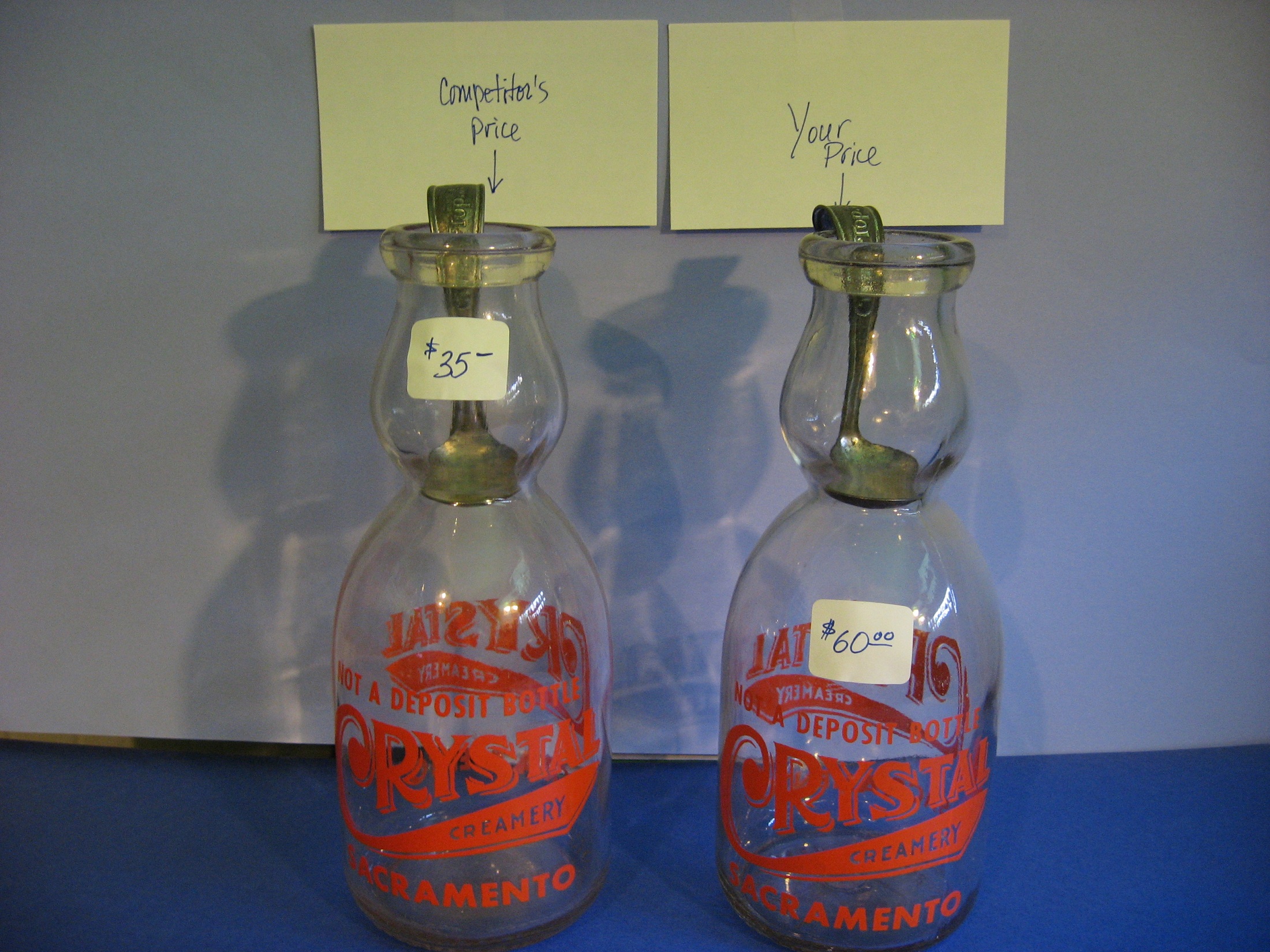
Something is only worth what someone is willing to pay you for it on the day or days you are trying to sell it. If multiple vendors at a flea market offer similar items at lower prices, higher-priced inventory will not move.
Flea Market Seller Strategies
Most flea market vendors aim to double their investment on resale items. A pocket knife purchased for $5 would typically be marked at $10 minimum. Actual pricing depends on several factors:
- eBay research on comparable sold listings
- Seller experience with similar items
- Expert consultation
- Market intuition developed over time
The 80/20 Rule
The Pareto principle applies directly to flea market selling. From 100 purchased items, approximately 20 sell quickly while 80 experience slower movement due to overpricing or lack of market demand. Success requires effective inventory management of that slower-moving stock.
Supply and Demand Dynamics
Market prices fluctuate based on availability versus buyer interest. When demand exceeds supply, prices rise. Conversely, oversupply requires lower pricing for sales success. Sellers frequently use the term “rare” to suggest scarcity, though accuracy varies considerably.
Trends shift over time. Items that commanded premium prices five years ago may sit unsold today. Staying current with what buyers actually want matters more than what price guides suggest.
Pricing Personal Items
Professional valuations involve substantial uncertainty. Even major auction houses provide wide price ranges rather than exact values, reflecting the inherent challenges in determining what buyers will actually pay.
If you are selling personal belongings at a flea market, research completed eBay listings for comparable items. Asking prices tell you nothing; only sold prices reflect what the market will bear.
You Might Also Like