Don't Get Burned by Reproductions
Most serious collectors and resellers have stories about being taken by someone selling a reproduction as an original. Learning from these experiences builds the knowledge that prevents future mistakes.
The Experience
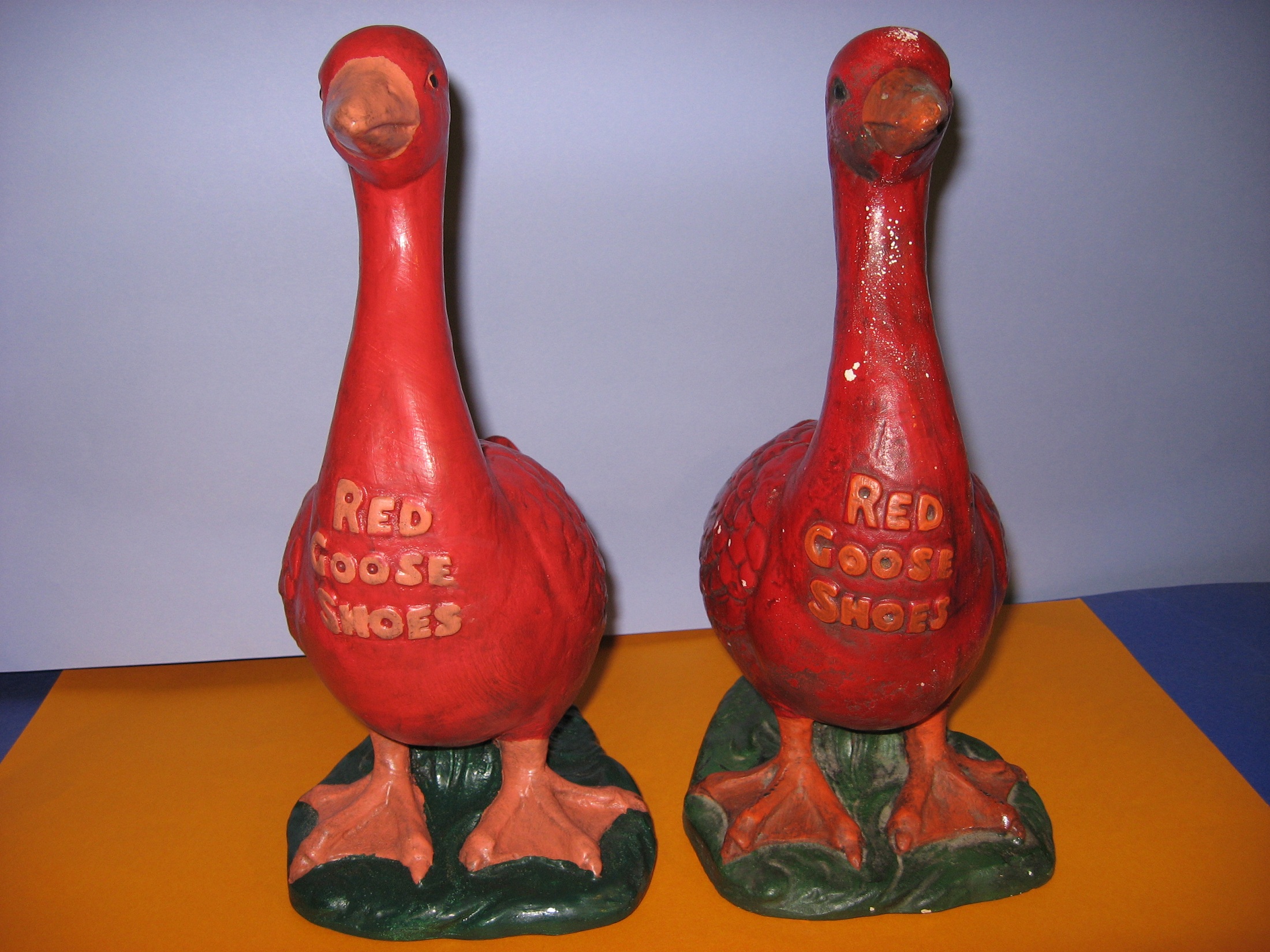
A reproduction Red Goose Shoes store display appeared on eBay in two listings. One was priced at $29.95 from an established seller, another at $60 from a new seller. Despite instincts suggesting the lower-priced item looked too new, the cheaper option won out. The auction was won as the sole bidder.
Red flags that were missed included:
- A condition listing marked “Used: ?” with a question mark
- Poor quality photos in the listing
- Feedback from other buyers reporting purchases of identical items
Key Lessons Learned
Research Before Purchasing
Check seller feedback thoroughly and look for patterns. Authentic “new old stock” items are typically advertised explicitly. If multiple buyers have purchased the same “rare” item from one seller, it is almost certainly a reproduction.
Trust Your Instincts
Initial gut reactions often prove correct. If something looks too new, too clean, or too perfect, it probably is. Ignoring that instinct in favor of saving money usually ends in disappointment.
Examine Physical Details
When items arrive, inspect carefully for:
- Paint aging and patina development
- Wear patterns on the bottom
- Mold line definition and quality
- Natural color variations versus uniform new paint
Identifying Fakes vs. Originals
Side-by-side comparison reveals differences in construction quality, paint consistency, and wear patterns. Reproductions typically show uniform coloring, sharp mold lines, and clean bases, while originals display natural aging, softened details, and genuine wear from decades of handling.
Broader Context
Reproductions circulate through multiple channels: eBay, flea markets, and antique shows. Always be willing to research on your phone before buying at a market. A quick search can reveal whether an item is commonly reproduced.
Being occasionally defrauded serves as an educational experience. Patience during the purchasing decision, particularly for higher-value items, prevents most mistakes. Haste makes waste, and caveat emptor.
You Might Also Like