Auctions Distort Estate Item Pricing
Auction house estimates frequently diverge from actual sale prices for antiques and collectibles, creating unrealistic expectations for sellers and buyers alike.
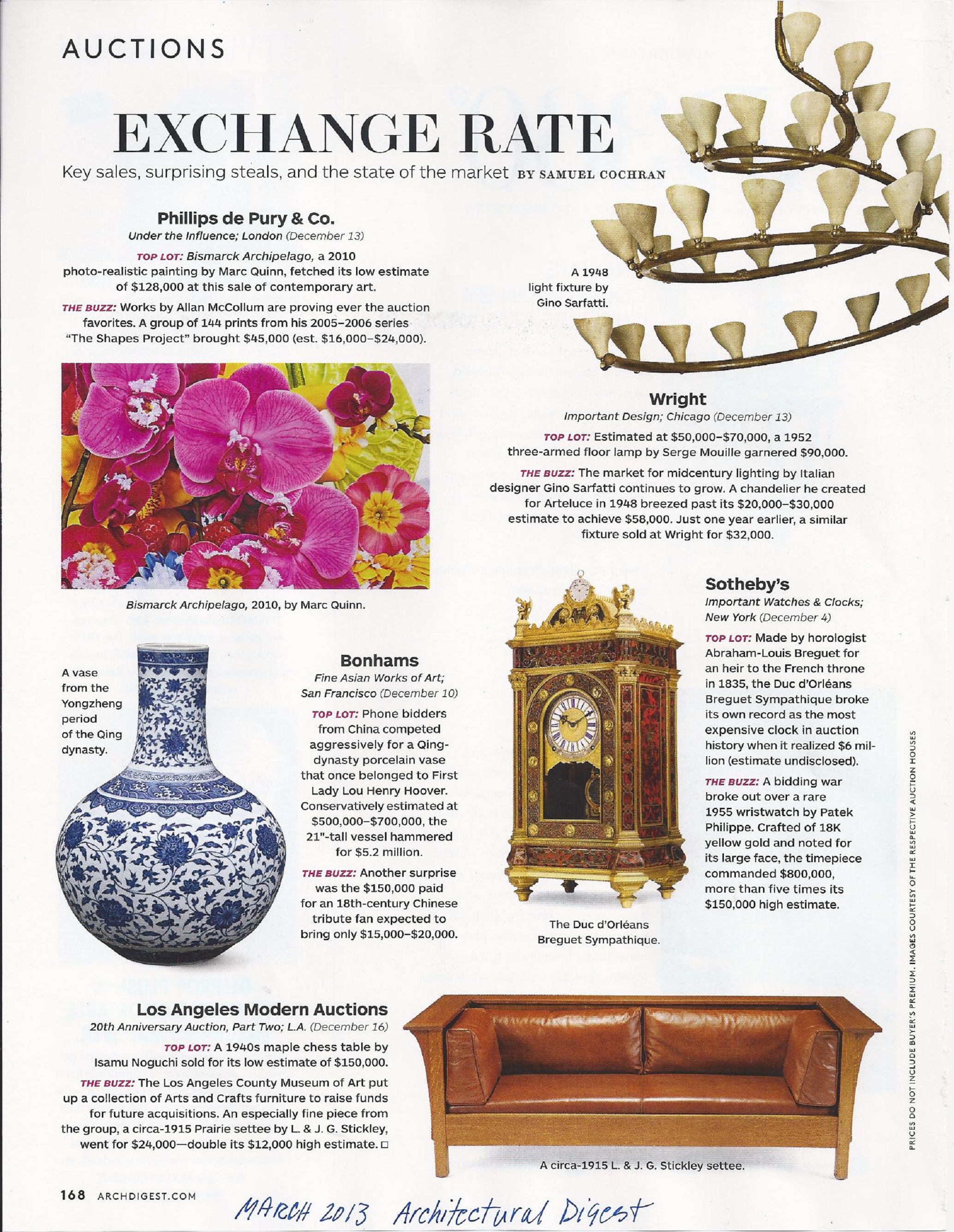
Consider these examples: a Stickley settee estimated at a maximum of $12,000 sold for double that amount at $24,000. More dramatically, a blue and white vase with an expected range of $500,000 to $700,000 realized $5.2 million.
The core truth is straightforward: it is near impossible to determine an accurate selling price for older, used merchandise like antiques, collectibles, and vintage items. Value depends entirely on market conditions on the specific sale date.
Why Auctions Distort Pricing
Auction environments, whether eBay or major auction houses, create competitive bidding scenarios where two motivated buyers can drive prices substantially above intrinsic worth. This competitive dynamic, rather than expert appraisals, ultimately determines final selling prices for estate items.
When two collectors who both want the same item bid against each other, the final price reflects their personal desire rather than any objective market value. Remove one of those bidders, and the price drops dramatically.
What This Means for Sellers
If you are selling antiques or estate items and want maximum returns, auction environments with competitive bidding work in your favor. The key is attracting multiple interested buyers for the same item.
For flea market sellers, auction results should not set your pricing expectations. The competitive bidding environment that produces headline-grabbing results at auction houses does not exist at a swap meet table. Price for the venue you are selling in, not the venue you wish you were selling in.
You Might Also Like